5 Signs Your Grain Silo Needs Immediate Structural Repair
Grain silos are built to last—but they are not built to last forever.
Over time, constant pressure loads, temperature fluctuations, moisture exposure, and daily operational stress begin to take a toll on concrete structures. The problem is that structural damage often develops gradually, making it easy to overlook—until it becomes a serious safety risk or causes costly downtime.
If you operate or manage a grain facility, recognizing early warning signs can mean the difference between a planned repair and a catastrophic failure.
Here are five critical signs your grain silo may need immediate structural repair.
1. Visible Cracks in Concrete Walls
Not all cracks are the same—but none should be ignored.
Hairline cracks can form naturally as concrete cures. However, cracks that widen over time, run vertically or diagonally, or appear near load-bearing areas may indicate structural stress.
These cracks can allow moisture to penetrate the structure, accelerating internal deterioration and weakening the silo from the inside out.
What this means:
Left untreated, cracks can expand and compromise the silo’s ability to safely contain grain loads.
2. Spalling or Flaking Concrete
Spalling occurs when the surface of the concrete begins to chip, flake, or break away. This is often caused by moisture intrusion, freeze-thaw cycles, or corrosion of embedded reinforcement.
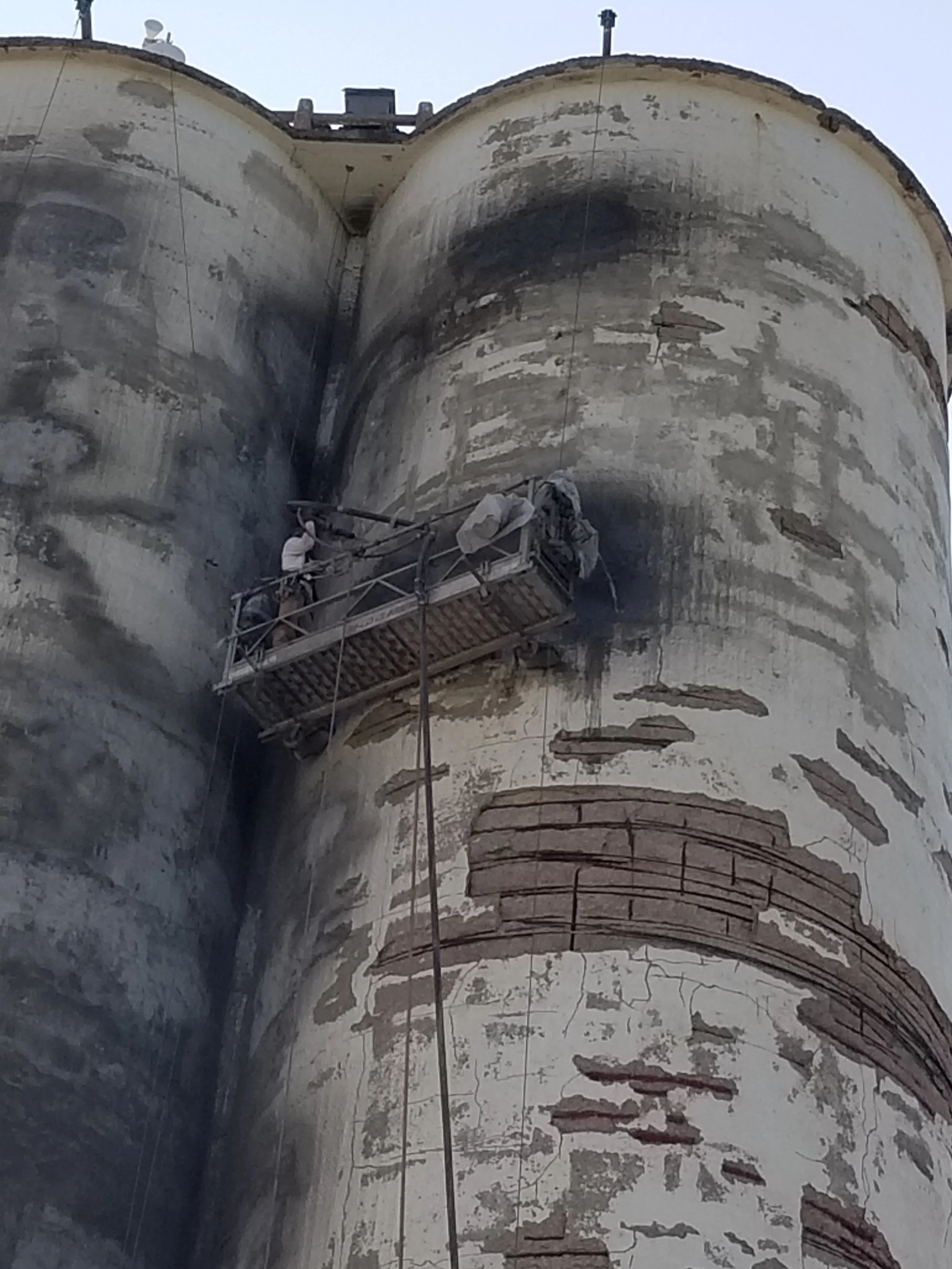
When spalling exposes internal steel reinforcement, the rate of deterioration accelerates significantly.
What this means:
Spalling is not just cosmetic—it’s a clear indicator that the structural integrity of the silo is declining.
3. Uneven Surfaces or Bulging Walls
If sections of a silo appear uneven, warped, or bulging outward, this is a serious red flag.
Bulging can occur due to internal pressure imbalances, material buildup, or weakening of the concrete shell.
What this means:
This type of deformation suggests the structure is no longer distributing loads properly, increasing the risk of partial or total failure.
4. Water Intrusion or Staining
Water is one of the most damaging elements for concrete structures.
Signs to watch for include:
Dark staining or discoloration
Damp areas inside the silo
Efflorescence (white, chalky residue)
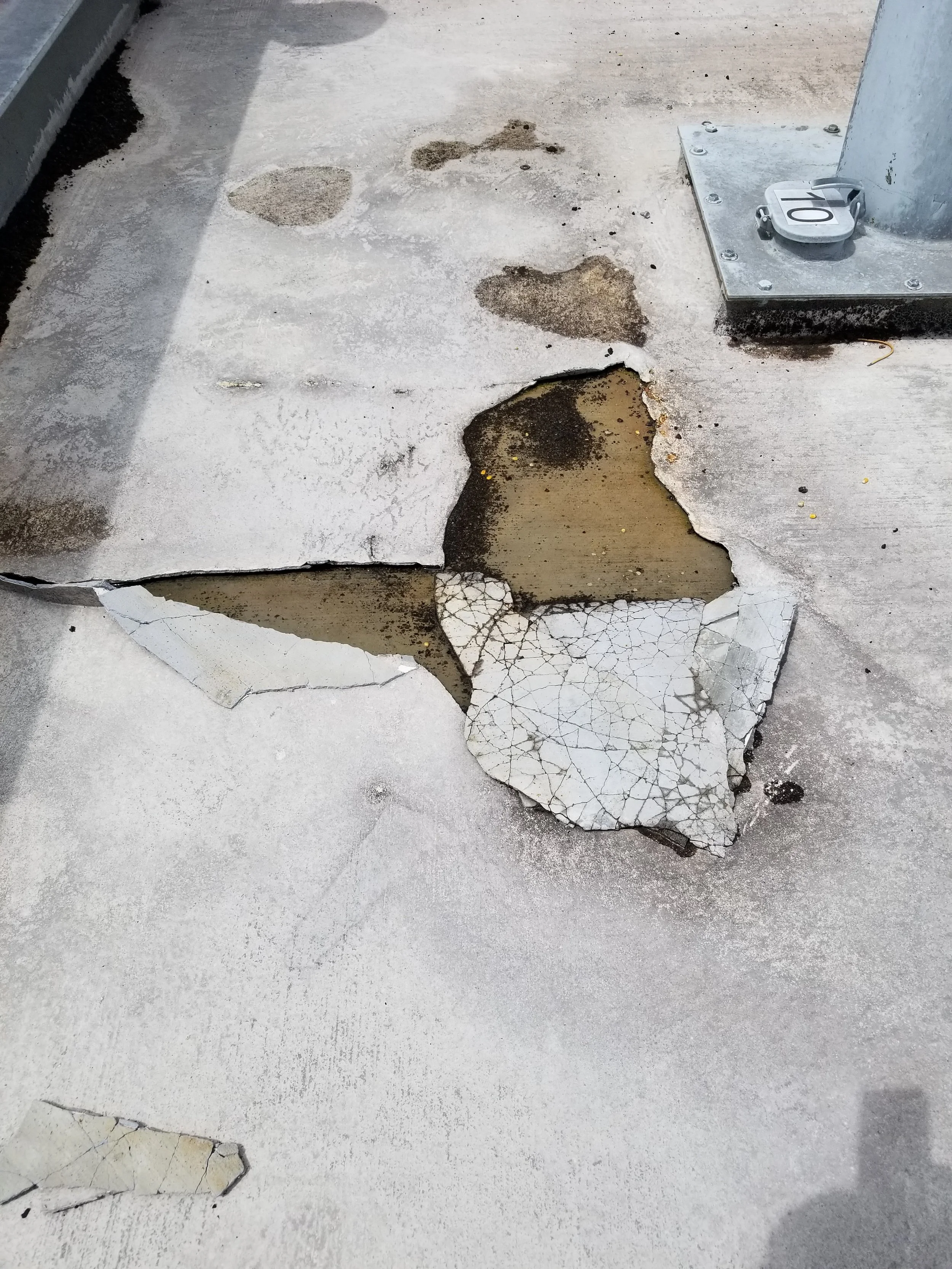
Moisture can lead to corrosion of reinforcement, freeze-thaw damage, and microbial growth—all of which weaken the structure.
What this means:
Water intrusion often signals deeper structural vulnerabilities that require immediate attention.
5. Declining Operational Performance
Sometimes the warning signs aren’t visual—they’re operational.
You may notice:
Difficulty with material flow
Increased maintenance needs
Unusual noises or shifting during loading/unloading
These issues can stem from internal structural changes that are not immediately visible.
What this means:
Performance problems often indicate underlying structural damage that needs professional evaluation.
Why Early Repair Matters
Ignoring these warning signs doesn’t just increase repair costs—it increases risk.
Structural failure in a grain silo can result in:
Unplanned shutdowns
Product loss
Safety hazards for workers
Significant financial impact
Addressing issues early allows for targeted repairs that extend the life of your facility and minimize disruption.
What to Do Next
If you’ve noticed any of these signs, the next step is a professional structural assessment.
Specialized repair solutions—such as concrete restoration, structural liners, or reinforcement systems—can restore integrity and prevent further damage.
The key is acting before small issues become major problems.
Stay Ahead of Structural Damage
Grain silos are critical assets. Keeping them structurally sound isn’t just maintenance—it’s protecting your entire operation.
If you’re unsure about the condition of your facility, scheduling an inspection is the most effective way to gain clarity and avoid costly surprises down the line.