How Sloped Hoppers Help Improve Silo Safety and Reduce Bin Entry Risks
One of the most overlooked safety advantages of properly designed hopper systems is their ability to improve material flow and reduce the need for hazardous bin entry situations.
In grain silos and industrial storage structures, material buildup and bridging can create serious operational and safety concerns. When product no longer flows properly, workers may be required to enter confined spaces to break up blockages or remove remaining material manually.
These situations can be extremely dangerous.
Why Bin Entry Is a Major Safety Concern
Confined space entry inside silos presents multiple risks, including:
Engulfment hazards
Falling material
Limited airflow
Slip and fall risks
Equipment-related accidents
Reducing the frequency of bin entry is an important part of maintaining a safer facility environment.
How Sloped Hoppers Improve Material Flow
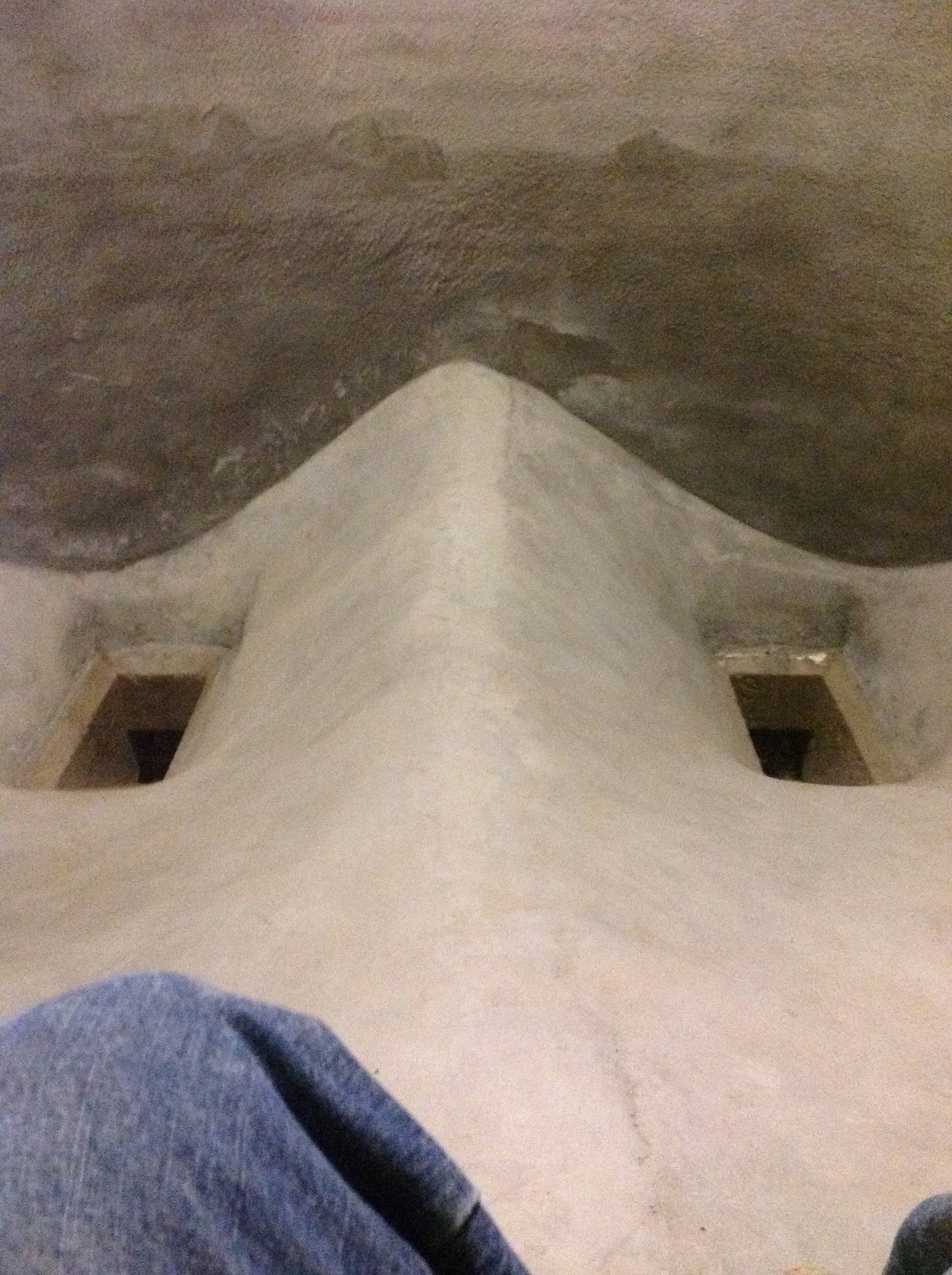
Properly designed sloped hoppers help direct material efficiently toward discharge points, minimizing buildup and stagnant product areas inside the structure.
Benefits of improved hopper flow include:
Reduced material accumulation
Fewer flow obstructions
More efficient unloading
Reduced need for manual cleanout
Improved operational safety
When material flows consistently, facilities are less likely to encounter the conditions that lead to dangerous confined space entry situations.
A Proactive Approach to Safety
Facility safety is not just about procedures—it also depends on structural design and maintenance. Upgrading or repairing hopper systems to improve flow performance can play a significant role in reducing operational hazards and supporting safer long-term operations.
Routine preventative maintenance and structural inspections can help identify flow issues before they create larger operational or safety concerns.
RED Restoration works with industrial and agricultural facilities to repair and restore hopper systems designed to improve material flow, reduce maintenance challenges, and support safer working environments.