How Structural Silo Liners Help Extend the Life of Aging Silos
Over time, grain silos and industrial concrete structures are exposed to constant stress from material loads, moisture, temperature fluctuations, and daily operations. As structures age, or their usage changes, deterioration can begin to impact both performance and structural integrity.
One effective solution for restoring and strengthening aging silos is the installation of structural silo liners.
What Are Structural Silo Liners?
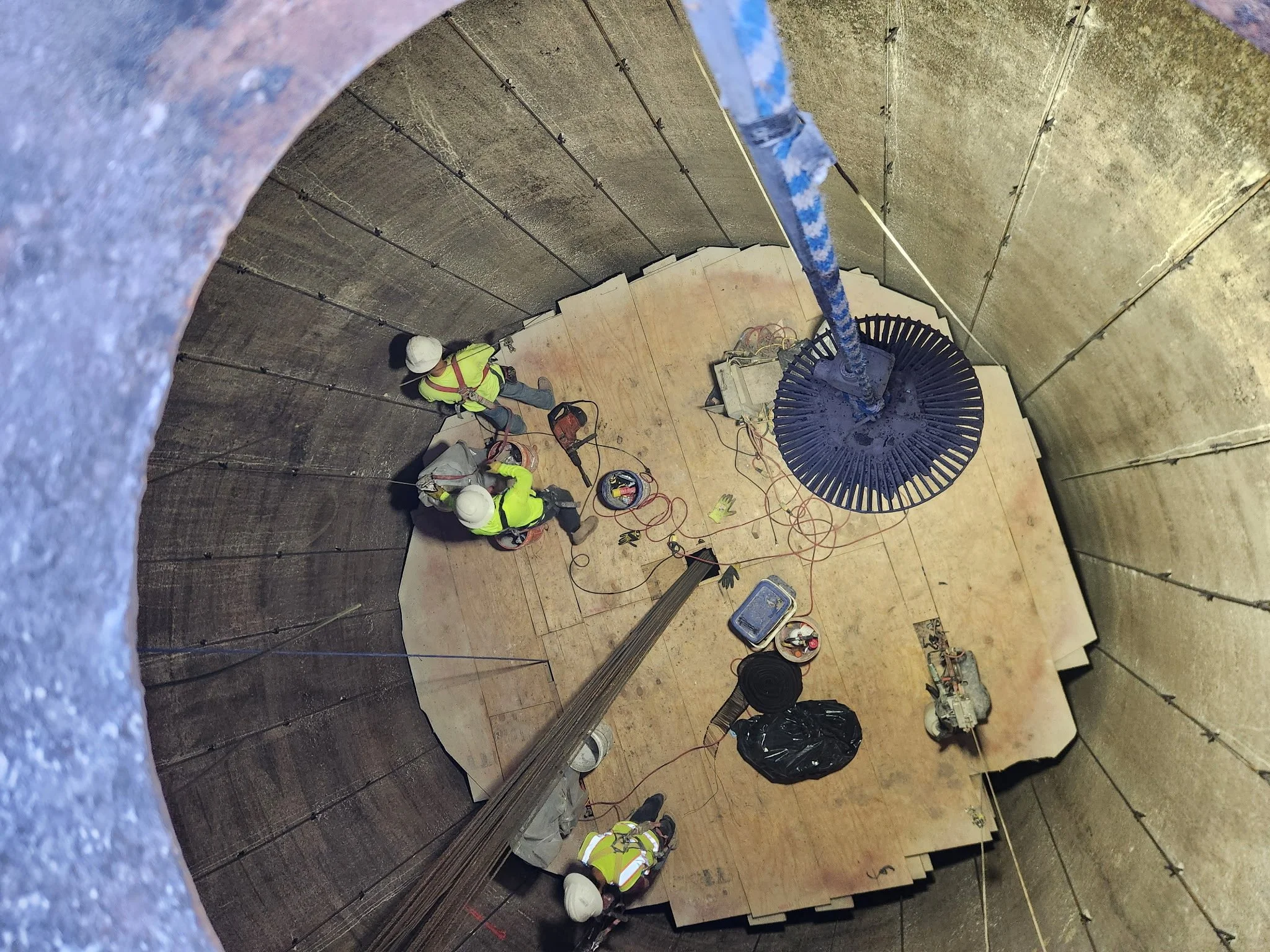
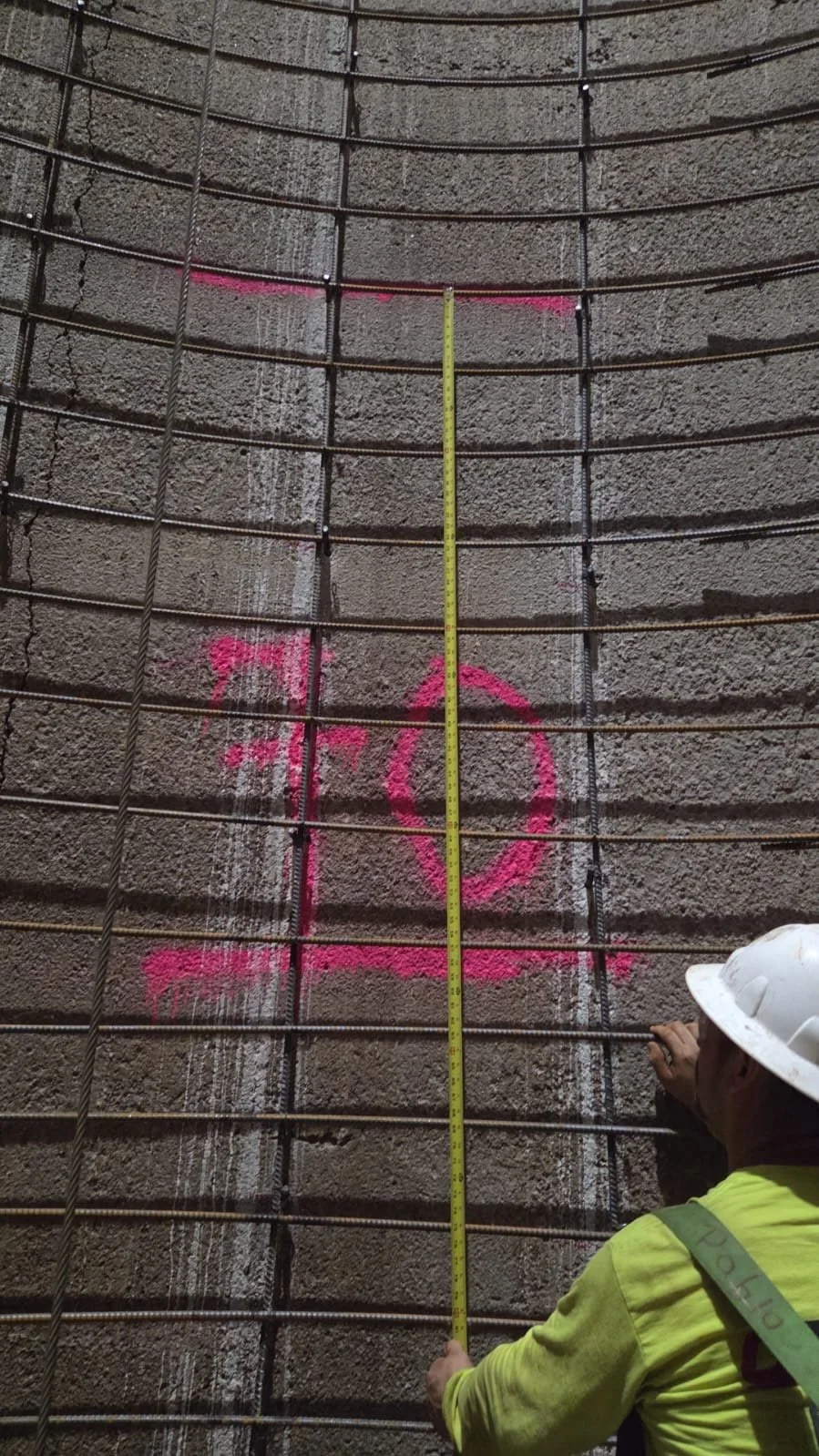
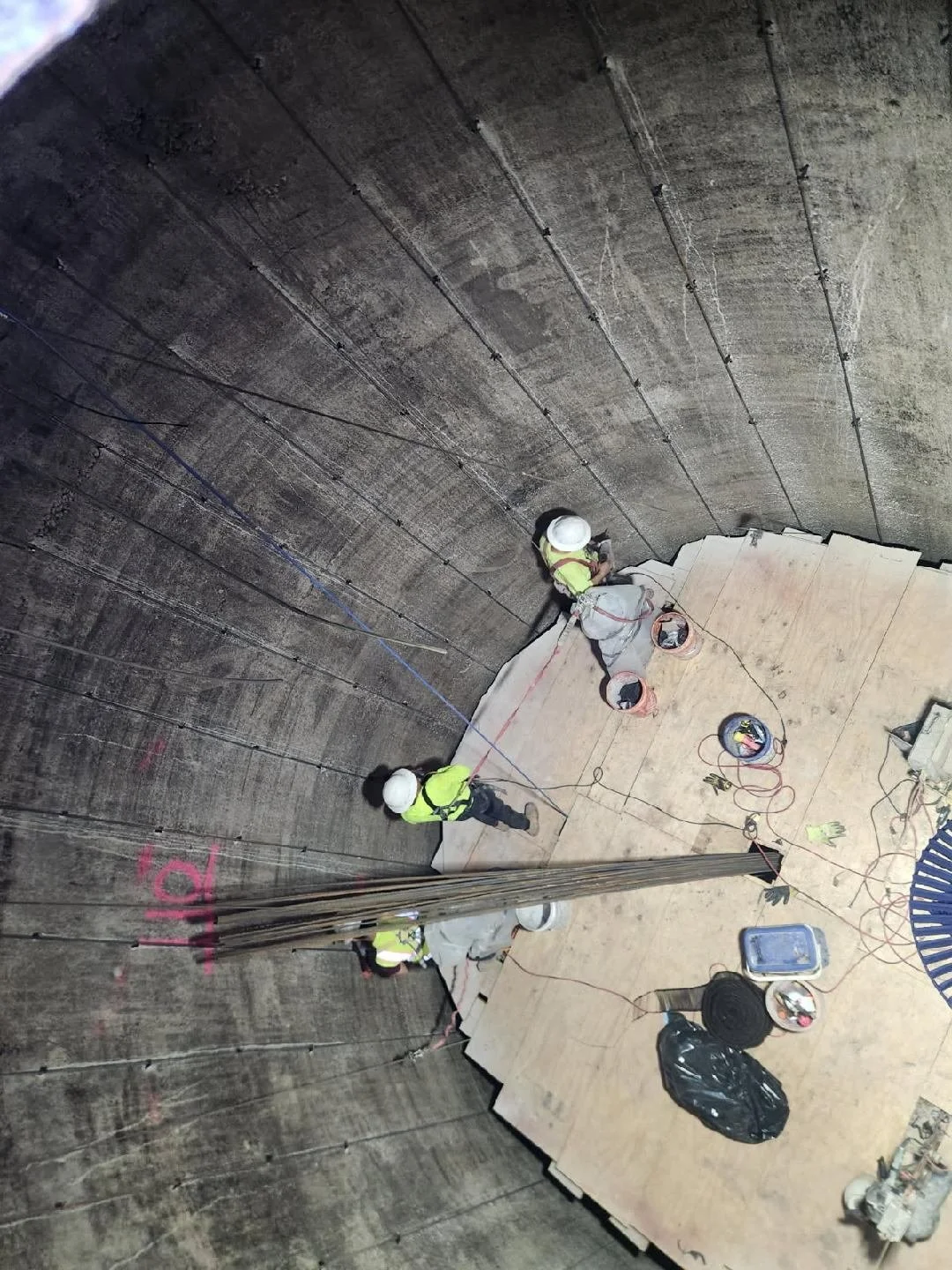
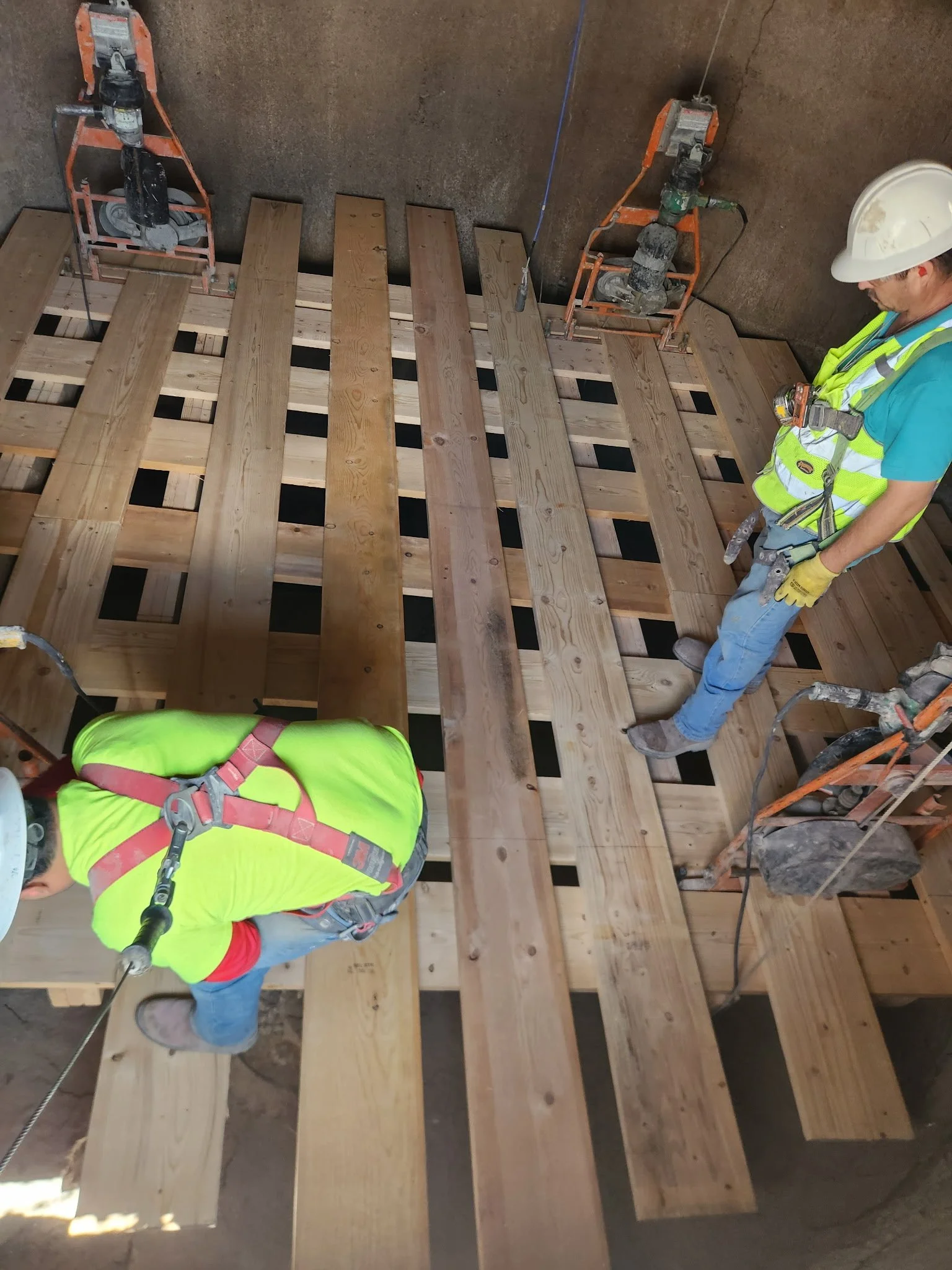
Structural silo liners are reinforced interior systems designed to restore damaged concrete surfaces, improve structural performance, and protect silos from continued deterioration.
These liner systems are commonly used in:
Grain silos
Feed mills
Ethanol facilities
Industrial storage structures
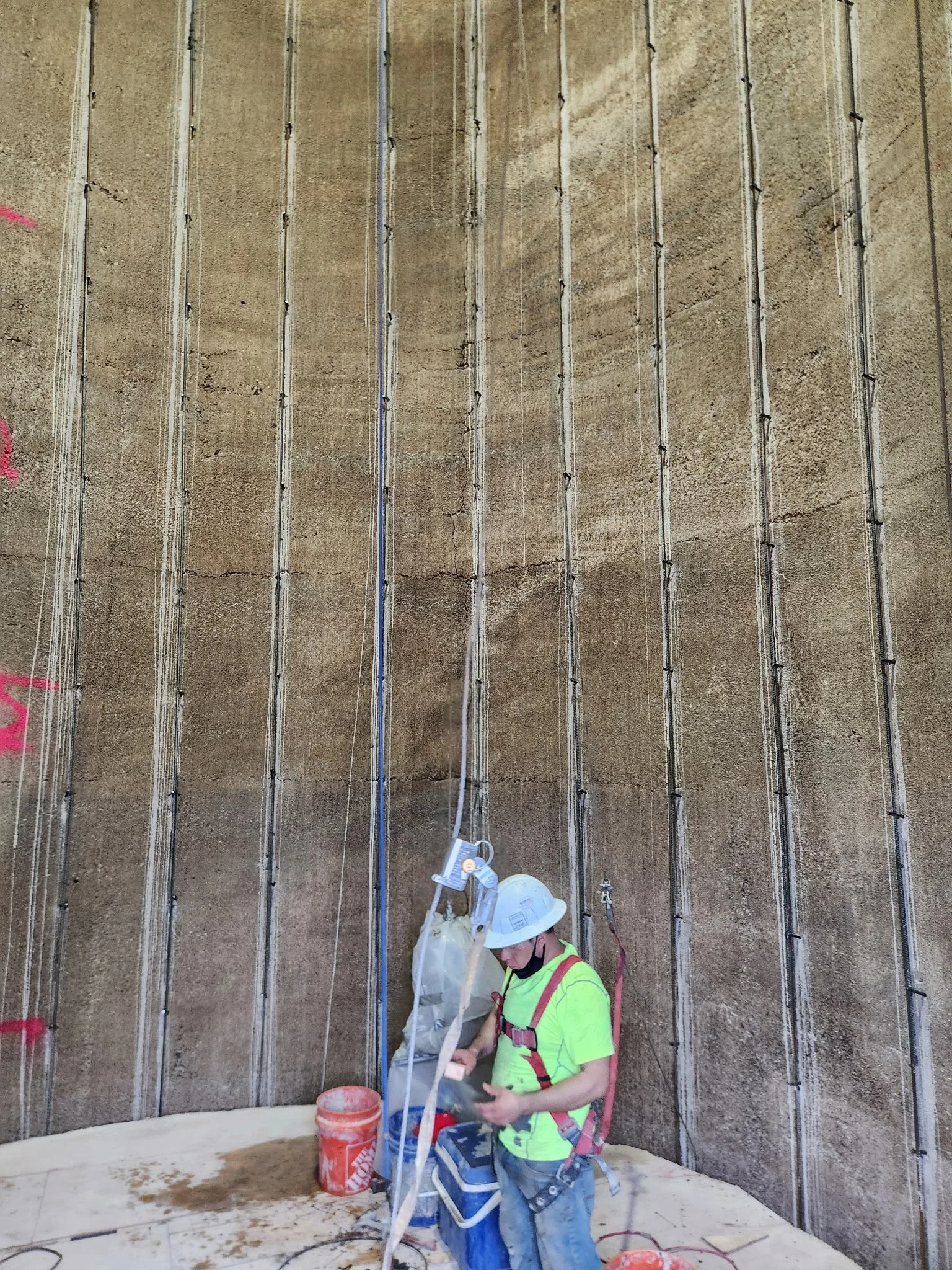
Depending on the condition of the structure, liners may be used to address:
Surface deterioration
Cracking and spalling
Material flow issues
Moisture intrusion
Worn or damaged interior walls
Benefits of Structural Silo Liners
Restores Structural Integrity
Liner systems help reinforce aging structures and restore stability to deteriorated concrete surfaces.
Extends Service Life
By protecting the structure from additional wear and moisture exposure, silo liners can significantly extend operational lifespan.
Improves Material Flow
Smooth interior surfaces can improve flow efficiency and reduce buildup or obstruction issues.
Minimizes Downtime
In many cases, structural liner systems provide a more efficient alternative to complete structural replacement.
Why Early Intervention Matters
Concrete deterioration does not stop on its own. Small areas of damage can continue spreading beneath the surface, leading to larger structural concerns over time.
Addressing deterioration early with structural liner systems can help facilities avoid more extensive repairs, unexpected shutdowns, and costly operational disruptions.
RED Restoration provides structural silo liner solutions designed to strengthen aging industrial structures while prioritizing long-term durability, safety, and operational efficiency.